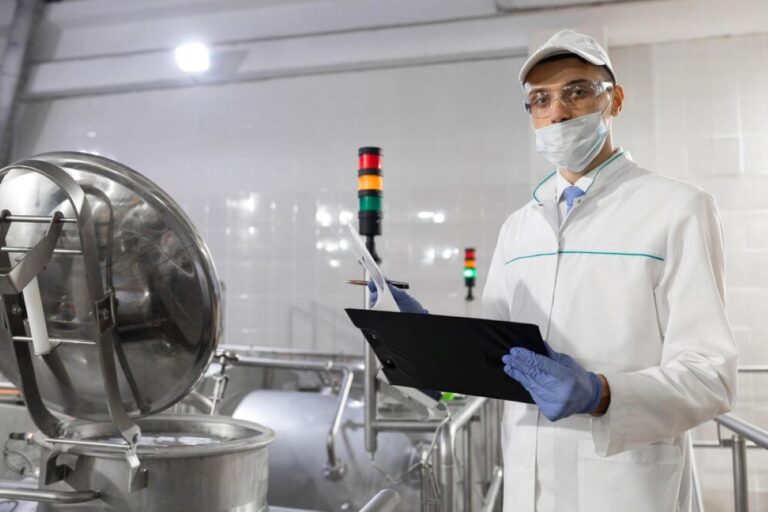

Why is Food Safety Traceability Software Non-Negotiable Today?
Food safety traceability software has become essential infrastructure for any business operating in today’s global food supply chain. The modern food system spans continents, involving countless suppliers, processors, distributors, and retailers before products reach consumers’ tables.
This complexity creates vulnerabilities. A single contaminated ingredient can affect thousands of products across multiple brands and countries within days. Without digital tracking systems, identifying the source of contamination becomes nearly impossible, putting public health at risk and exposing businesses to catastrophic financial losses.
The stakes have never been higher:
- Consumers actively research product origins and demand complete transparency about what they eat
- Regulatory bodies worldwide enforce strict documentation requirements with severe penalties for non-compliance
- Foodborne illness outbreaks can destroy brand reputation overnight
- Manual record-keeping systems cannot keep pace with the speed and scale of modern supply chains
The importance of food safety extends beyond regulatory checkboxes. Every contamination event represents real people facing serious health consequences. The 2018 romaine lettuce E. coli outbreak affected 210 people across 36 states, resulting in hospitalizations and deaths that could have been prevented with faster source identification. For further insights into how such outbreaks are investigated, you can refer to the FDA’s comprehensive guide.
Digital traceability transforms how businesses respond to these threats. Real-time data capture and automated documentation enable companies to trace any ingredient back to its origin within minutes rather than days or weeks. This capability protects consumers while simultaneously safeguarding business operations.
Food safety traceability software addresses three critical needs simultaneously: protecting public health, ensuring regulatory compliance, and maintaining business continuity. Companies without these systems operate with significant blind spots in their supply chains, exposing themselves to preventable risks that can end in recalls, lawsuits, and permanent brand damage.
The question is no longer whether to implement traceability software, but how quickly businesses can deploy these systems before the next crisis strikes.

What Exactly is Food Safety Traceability Software and How Does it Work?
Food safety traceability software is a digital solution that creates a comprehensive record of every step in a food product’s journey through the supply chain. These food traceability systems enable businesses to track ingredients and finished products from their origin at farms or suppliers through processing, packaging, distribution, and ultimately to consumers’ tables.
The software functions as a centralized data management platform that captures critical information at each touchpoint. When raw materials arrive at a facility, the system logs details such as supplier information, batch numbers, quantities, and quality certifications. As products move through processing stages, the software documents transformations, combining ingredients, production dates, equipment used, and personnel involved.
Core Tracking Mechanisms
Digital traceability solutions rely on several identification methods to maintain accurate records:
- Barcode scanning: captures product information instantly at receiving docks, production lines, and shipping areas
- RFID tags: enable automatic tracking without line-of-sight scanning, ideal for high-volume operations
- Lot and batch numbering systems: create unique identifiers that link products to specific production runs
- QR codes: provide quick access to detailed product histories for both internal teams and consumers
Automated Data Collection
The automation capabilities of traceability software functions eliminate manual record-keeping errors that plague paper-based systems. Sensors and connected devices feed information directly into the platform without human intervention. Temperature readings from refrigerated storage units, pH levels during fermentation, or weight measurements at packaging stations all flow automatically into the system.
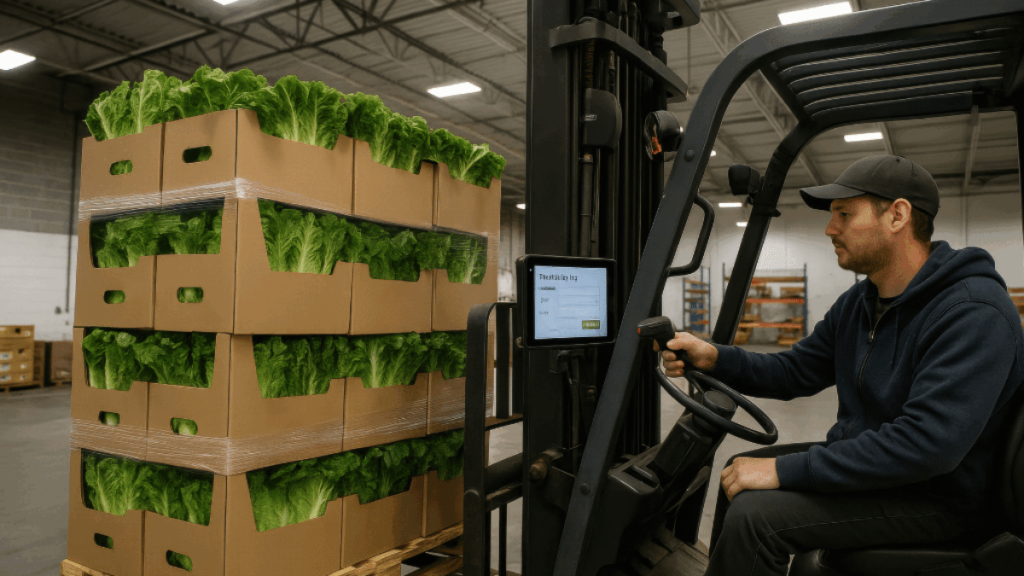
This continuous data capture creates an unbroken chain of custody documentation. If a supplier ships contaminated lettuce, the software can identify which batches used that specific lot, where those products went, and who received them—all within minutes rather than days.
Real-Time Monitoring Capabilities
Modern food traceability systems provide live visibility into supply chain operations. Dashboard interfaces display current inventory locations, product movements, and compliance status across multiple facilities simultaneously. Quality assurance teams receive instant alerts when parameters fall outside acceptable ranges, such as storage temperatures rising above safe thresholds or shipments delayed beyond shelf-life windows.
This immediate awareness enables proactive intervention before minor issues escalate into major food safety incidents. A distribution center manager can r
Why is Food Safety Traceability Software Essential for Regulatory Compliance?
Food safety traceability software provides the infrastructure businesses need to meet increasingly complex regulatory requirements across multiple jurisdictions. Without digital systems to manage documentation, companies face significant risks of non-compliance penalties, operational shutdowns, and legal liability.
FSMA Compliance Requirements Transform U.S. Food Safety Standards
The FDA’s Food Safety Modernization Act (FSMA) represents the most sweeping reform of U.S. food safety laws in over 70 years. The regulation mandates that food facilities establish and maintain comprehensive traceability records for high-risk foods, requiring documentation of critical tracking events throughout the supply chain.
Under FSMA Rule 204, businesses must capture specific Key Data Elements (KDEs) at each stage:
- Harvesting: Location coordinates, harvest dates, and commodity details
- Cooling: Facility information and cooling dates for temperature-sensitive products
- Initial packing: Reference numbers linking products to their source
- Transformation: Manufacturing details when products undergo significant changes
- Shipping and receiving: Complete chain of custody documentation
Traceability software automates the collection and storage of these KDEs, eliminating the manual paperwork that historically plagued compliance efforts. The systems generate time-stamped digital records that auditors can access within hours rather than days, meeting FSMA’s strict retrieval timeframes.
EU Regulation 178/2002 Establishes “One Step Back, One Step Forward” Principle
European food businesses operate under EU Regulation 178/2002, which requires traceability at all stages of production, processing, and distribution. The regulation enforces the “one step back, one step forward” principle, meaning companies must know their immediate suppliers and customers.
Article 18 of the regulation specifies that food and feed business operators must:
- Identify suppliers of food, feed, animals, or substances intended for food production
- Maintain systems to identify businesses receiving their products
- Make traceability information available to competent authorities on demand
Digital traceability platforms create permanent audit trails linking incoming ingredients to finished products and their destinations. When inspectors arrive, businesses can instantly produce complete supply chain documentation rather than scrambling through filing cabinets or spreadsheets.
How Does Traceability Software Enhance Consumer Health Protection?
Traceability software is an essential tool in preventing foodborne illnesses. It allows for quick detection of contamination, usually within hours, instead of days or weeks. This software creates a digital record that links every ingredient, supplier, and processing step together. As a result, food safety teams can quickly identify the source of contamination when hazards occur. This fast identification process helps businesses isolate affected products before they reach consumers, thus preventing large-scale illness outbreaks that have historically impacted thousands.
What enables quick action during contamination incidents?
Access to real-time data changes how companies react to safety threats. When a potential hazard arises, recall management teams can instantly query the system to identify every product batch containing the suspect ingredient, every facility that handled it, and every distribution channel that received it. Traditional paper-based systems require manual searches through filing cabinets and phone calls to multiple suppliers—a process that can take weeks. With digital traceability, this information is available in minutes, reducing the time consumers are at risk.
The 2018 romaine lettuce E. coli outbreak showed the consequences of poor traceability. Without accurate tracking information, the FDA advised consumers to avoid all romaine lettuce, which had a devastating effect on the entire industry. Companies with strong traceability software could have quickly proven their products were safe, maintaining sales while protecting public health.
How have real businesses used traceability software to safeguard consumers?
Blue Bell Creameries completely revamped their operations using traceability software after a listeria outbreak in 2015 led to three deaths and a halt in production. Their new system monitors every ingredient from its arrival to production, storage, and distribution. When routine testing found listeria in 2022, the software allowed them to:
- Identify the contaminated production line within 2 hours
- Trace all potentially affected products to specific retail locations
- Execute a targeted recall of 31 products instead of shutting down completely
- Resume full production within 48 hours after resolving the isolated issue
Chipotle Mexican Grill adopted comprehensive traceability software following several foodborne illness incidents between 2015-2018 that harmed their reputation and stock price. The system now oversees supplier certifications, tracks ingredient temperatures during transportation, and maintains complete batch records
How Food Safety Traceability Software Improves Supply Chain Transparency and Accountability
Food safety traceability software improves supply chain transparency by creating a digital connection between all parties involved, from the farm to the consumer. This technology captures and shares verified information about where products come from, how they are handled, stored, and transported.
Building Consumer Trust Through Verified Information
Modern consumers want to know where their food comes from and how it gets to them. Traceability software provides this information through easy-to-access digital records that verify product claims. When a retailer can quickly show documents proving that a salmon fillet came from a specific Norwegian fish farm, went through processing facilities, and was transported using cold chain logistics, consumer trust increases significantly.
The verification goes beyond just tracking where something is from. Digital systems also keep track of:
- Temperature logs during transportation and storage
- Certification records for organic, fair trade, or other quality claims
- Processing dates and facility inspection reports
- Information about who handled the product at each point in the supply chain
- Results of quality testing and safety certifications
Strengthening Supplier Accountability
With traceability software monitoring performance across the supply chain, supplier accountability becomes enforceable instead of just something we hope for. Each supplier’s handling practices, delivery timelines, and quality standards are recorded digitally forever, creating an incentive for them to do their best.
Food fraud—like mislabeling fish species or diluting olive oil—costs the global food industry about $40 billion every year. Traceability systems fight against these dishonest practices by making suppliers provide documented proof of their products’ authenticity. For example, a honey distributor claiming “pure local honey” must now back up that claim with records showing exactly where it came from, making it much riskier to replace it with imported or altered products.
Creating Multi-Directional Visibility
In traditional supply chains, each participant only knew who their immediate supplier was and who their customer was downstream. But with digital traceability, this lack of knowledge is eliminated because supply chain transparency now flows in all directions.
Retailers can learn about how their suppliers operate without having to spend money on expensive on-site audits. Suppliers can show potential buyers what their quality standards are by providing verified historical data. Consumers can find out more about a product’s journey by scanning QR codes or using mobile apps that reveal its entire supply chain process.
Enforcing Quality Standards Across Partners
Traceability software establishes clear expectations for quality standards among all partners in the supply chain. It allows companies to hold each other accountable by having access to objective data on how well these standards are being met.
When multiple businesses work together in a supply chain—such as farmers supplying produce to restaurants or manufacturers partnering with retailers—they often have agreements in place regarding certain quality requirements. However, ensuring that everyone consistently meets these requirements can be challenging without proper visibility into each other’s operations.
By implementing traceability solutions that track key quality metrics throughout the supply chain (such as freshness levels or defect rates), companies can gain insights into whether their partners are living up to their commitments. This not only helps maintain product integrity but also fosters stronger relationships built on trust between different stakeholders involved in bringing food products from farm to table.
What Are the Financial Benefits for Businesses Using Traceability Software?
Traceability software delivers measurable financial returns by reducing recall expenses, safeguarding brand value, and enhancing operational efficiency. The average food recall costs companies between $10 million and $100 million when accounting for direct expenses, lost sales, and legal liabilities—investments in digital traceability systems significantly reduce these risks.
How Does Traceability Software Achieve Recall Cost Reduction?
Speed determines the financial impact of food safety incidents. Companies using traceability software can identify affected products within hours rather than days or weeks, limiting the scope of recalls to specific batches instead of entire product lines. This precision prevents unnecessary waste and reduces the volume of products pulled from shelves.
The software eliminates the labor-intensive process of manually tracking down paper records during crisis situations. Automated systems instantly generate comprehensive reports showing exactly which suppliers, production dates, and distribution channels are involved. This capability cuts investigation time by up to 90%, allowing businesses to contain problems before they escalate into widespread public health emergencies.
Direct cost savings include:
- Reduced product destruction volumes through precise batch identification
- Lower administrative expenses from automated documentation
- Decreased legal fees through faster incident resolution
- Minimized regulatory fines due to rapid response capabilities
What Role Does Brand Reputation Protection Play in Financial Performance?
Consumer trust translates directly to market value. A single foodborne illness outbreak can destroy decades of brand equity, with 55% of consumers reporting they would permanently stop purchasing from brands involved in safety scandals. Traceability software provides the documentation needed to demonstrate due diligence and commitment to safety standards.
The ability to communicate transparently during recalls separates successful brands from those that suffer lasting damage. Companies equipped with detailed traceability data can provide specific information to consumers about affected products, manufacturing dates, and corrective actions taken. This proactive communication maintains customer confidence even during challenging situations.
Stock prices for food companies without adequate traceability systems have dropped by an average of 27% following major recall events. Businesses with robust digital tracking systems experience significantly smaller market value declines because investors recognize their capacity to manage risks effectively.
How Does Operational Efficiency Generate Cost Savings?
Automated data management eliminates redundant manual entry across multiple systems. Food businesses typically spend
Which Technologies Complement Food Safety Traceability Software?
Modern traceability software becomes much more powerful when used together with other technologies that improve data accuracy, security, and real-time monitoring abilities. Blockchain in food safety and IoT sensors temperature monitoring are two game-changing technologies that are changing the way businesses track and verify food products throughout the supply chain.
How Does Blockchain Strengthen Food Traceability?
Blockchain creates a secure and transparent record of every transaction and movement within the food supply chain. Each entry becomes a permanent “block” linked to previous records, making it nearly impossible to change past data without being noticed.
The technology solves a major weakness in traditional traceability systems: data manipulation. When a supplier records that organic tomatoes came from a certified farm, that information gets encrypted and distributed across multiple locations. Any attempt to falsify the origin will be immediately obvious to everyone involved in the network.
Key advantages of blockchain integration include:
- Tamper-proof record-keeping that builds trust among supply chain partners
- Instant verification of product authenticity and origin claims
- Reduced documentation fraud in organic, fair-trade, and premium product categories
- Enhanced ability to prove compliance during regulatory audits
Walmart’s partnership with IBM Food Trust shows how blockchain can make a difference in real life. The retail giant reduced the time needed to trace mangoes from farm to store from seven days to 2.2 seconds. This speed is extremely valuable during contamination events when every hour matters.
What Role Do IoT Sensors Play in Food Safety?
IoT sensors provide continuous, automated monitoring of environmental conditions that affect food safety and quality. These devices track temperature, humidity, light exposure, and other critical factors throughout storage and transportation.
Temperature-sensitive products like dairy, meat, and seafood benefit greatly from IoT integration. A refrigerated truck equipped with IoT sensors sends real-time temperature data to the traceability system. If temperatures go above safe limits, alerts are triggered immediately—allowing action to be taken before products spoil or become unsafe.
IoT sensors deliver specific benefits:
- Real-time condition monitoring eliminates gaps in the cold chain
- Automated data collection removes human error from manual temperature logs
- Predictive analytics identify equipment failures before they jeopardize product safety
- Proof of proper handling strengthens liability protection during disputes
How Does Food Safety Traceability Software Support Sustainability Efforts?
Traceability software provides the documentation infrastructure needed to verify and validate sustainable sourcing claims throughout the supply chain. The technology captures granular data about ingredient origins, farming practices, and processing methods, allowing businesses to prove their commitment to sustainability standards and ethical sourcing with verifiable evidence rather than unsubstantiated marketing claims.
Verifying Sustainable Sourcing Practices
Modern consumers increasingly demand proof that their food comes from environmentally responsible sources. Traceability systems document critical information such as:
- Farm certifications (organic, regenerative agriculture, fair trade)
- Water usage and conservation measures
- Pesticide and fertilizer application records
- Carbon footprint data from transportation
- Labor practices and working conditions
A coffee roaster, for example, can use traceability software to track beans back to specific farms in Ethiopia, documenting fair wages paid to farmers, organic certification status, and shade-grown cultivation methods. This level of detail transforms vague “sustainably sourced” labels into transparent, auditable claims that resonate with environmentally conscious consumers.
Reducing Waste Through Inventory Intelligence
Traceability software significantly cuts food waste by providing real-time visibility into product age, location, and condition. The systems use first-in-first-out (FIFO) tracking to ensure older inventory moves before newer stock, preventing spoilage losses that plague traditional manual tracking methods.
Temperature monitoring integrations alert managers when refrigeration units malfunction, allowing immediate intervention before entire batches spoil. Expiration date tracking automates alerts for products approaching their sell-by dates, enabling proactive discounting or donation programs rather than disposal.
A dairy processor using traceability software reduced waste by 23% within six months by identifying bottlenecks where products sat too long before distribution. The data revealed specific warehouse locations where temperature fluctuations caused premature spoilage, allowing targeted infrastructure improvements.
Meeting Consumer Demands for Ethical Production
Today’s food buyers want transparency about animal welfare, environmental impact, and social responsibility. Traceability software creates digital audit trails that demonstrate adherence to ethical production standards at every supply chain stage.
The technology tracks:
- Animal welfare certifications and humane handling practices
- Environmental sustainability metrics such as greenhouse gas emissions or water usage
- Social compliance audits verifying fair labor practices
By providing concrete evidence of ethical production efforts through these digital records, companies can build trust with consumers who prioritize responsible sourcing in their purchasing decisions.
Is It Time for Your Business to Invest in Food Safety Traceability Software?
Yes, if you’re serious about long-term viability and competitive advantage. The question isn’t whether your business needs traceability software—it’s whether you can afford to operate without it in an increasingly transparent, regulated, and consumer-conscious marketplace.
What Makes This Investment Strategic Rather Than Optional?
Food safety traceability software represents future-proofing your business against evolving challenges. Regulations continue tightening globally, with authorities implementing stricter requirements for digital record-keeping and rapid recall capabilities. Companies that invest now position themselves ahead of mandatory compliance deadlines, avoiding the rushed implementations that lead to costly mistakes.
The software serves as one of the most effective public health protection tools available to food businesses. When contamination events occur—and they will somewhere in your industry—your ability to respond within hours rather than days can mean the difference between a contained incident and a widespread outbreak. This capability protects not just consumers but your entire business ecosystem.
How Does Traceability Software Deliver Competitive Advantages?
Modern consumers research their food choices extensively. They demand proof of claims about organic sourcing, humane treatment, and environmental responsibility. Traceability systems provide the verifiable data that transforms marketing claims into documented facts, building customer loyalty that translates directly to market share.
Consider these tangible benefits:
- Reduced insurance premiums through demonstrated risk management
- Faster market access when entering regions with strict import requirements
- Premium pricing opportunities backed by transparency credentials
- Streamlined audits that save thousands in preparation time and consultant fees
What Are the Real Costs of Delaying This Decision?
Waiting to implement traceability software exposes businesses to compounding risks. Manual systems become increasingly inadequate as supply chains grow more complex. Each day without automated tracking represents potential data gaps that could prove catastrophic during a recall investigation.
The financial calculation extends beyond software costs. Factor in the expense of a single recall—averaging $10 million for food companies according to industry studies—and the investment in prevention becomes obviously justified. Brand damage from poorly managed safety incidents can take years to repair, with some companies never fully recovering consumer trust.
More about Comparing the Top Food Safety Software Companies in the Market