
Why Choosing the Right Food Temperature Probe Matters in Professional Kitchens
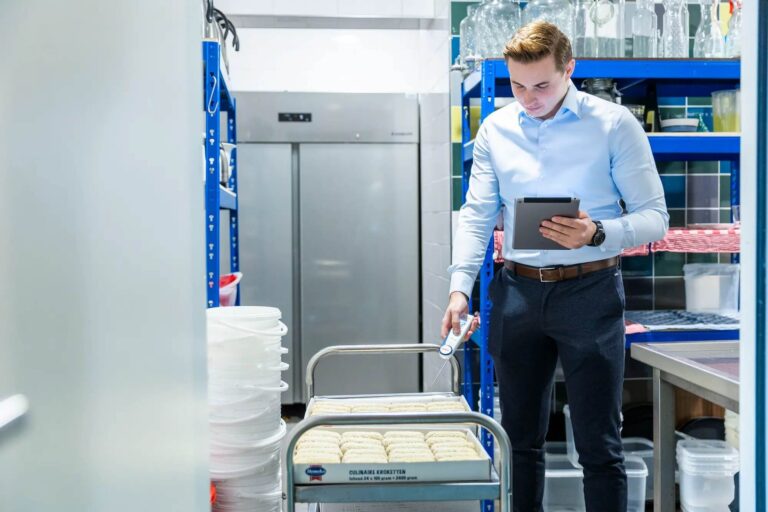
The right food temperature probe protects diners from foodborne illness while ensuring dishes leave the kitchen at peak quality. Professional kitchens face constant pressure to serve safe, perfectly cooked meals at volume, making accurate temperature measurement non-negotiable.
Understanding the Different Types of Food Temperature Probes
How to choose the right food temperature probe for professional kitchens starts with understanding what’s available. The market offers three main categories:
- Instant-read thermometers: deliver quick spot-checks in 2-5 seconds
- Probe thermometers: provide continuous monitoring through heat-resistant cables
- Specialty thermometers: target specific tasks like candy making or deep frying
The Impact of Proper Temperature Control on Food Safety and Taste
Food safety depends entirely on reaching proper internal temperatures. A chicken breast that looks perfectly golden may harbor dangerous bacteria if its core hasn’t reached 75°C. The wrong thermometer—one that’s too slow, inaccurate, or difficult to use during service—creates gaps in your food safety protocol.
Taste suffers equally from poor temperature control. Beef cooked two degrees past your target transforms from medium-rare to medium, disappointing customers who expect cooking consistency. Premium cuts become expensive mistakes. A reliable food temperature probe eliminates guesswork, allowing chefs to pull proteins at precisely the right moment, accounting for carryover cooking during rest periods. This precision separates professional kitchens that build reputations from those that struggle with inconsistent results.

What Types of Food Temperature Probes Are Available for Professional Kitchens?
Professional kitchens rely on three main types of temperature probes, each designed for specific cooking situations.
1. Instant-Read Thermometers
Instant-read thermometers deliver rapid temperature readings within 2-5 seconds, making them perfect for quick doneness checks during service. Their thin probe design minimizes puncture holes in meat, preserving valuable juices and presentation quality. Chefs use these for spot-checking steaks, fish fillets, and poultry breasts when timing is critical.
2. Probe Thermometers
Probe thermometers feature a metal sensor connected to a digital display through heat-resistant cables, enabling continuous temperature monitoring without disturbing the cooking process. The cable remains outside the oven while the probe stays inserted in the food, providing real-time data. Built-in alarms notify kitchen staff when target temperatures are reached, preventing overcooking during busy service periods. These prove invaluable for large roasts, whole turkeys, and extended braises where opening the oven door would release heat and extend cooking times.
3. Specialty Thermometers
Specialty thermometers cater to precise culinary techniques requiring specific temperature ranges. Candy thermometers withstand extreme heat up to 200°C and feature markings for sugar stages like soft-ball and hard-crack. Deep-frying thermometers clip to pot edges, monitoring oil temperatures between 150-190°C to ensure crispy, non-greasy results. Chocolate tempering thermometers measure subtle temperature shifts critical for achieving proper crystallization and glossy finishes.
How Do Digital and Analog Thermometers Compare for Kitchen Use?
Digital thermometer features deliver superior performance for fast-paced professional environments. These devices provide readings within 2-4 seconds, allowing chefs to make quick decisions during service without interrupting workflow. The accuracy comparison shows digital models maintain precision within 0.5-2°C, significantly tighter than their analog counterparts.
Digital displays eliminate reading errors common with dial-based systems. Built-in features enhance functionality:
- Temperature hold function freezes readings after probe removal
- High/low tracking monitors temperature fluctuations during cooking
- Programmable alarms alert staff when target temperatures are reached
- Backlit screens improve visibility in dimly lit kitchens
Analog thermometer durability offers distinct advantages despite slower performance. These mechanical devices operate without batteries, making them reliable during power outages or when digital units fail. The dial-and-probe construction withstands drops and rough handling better than electronic components.
The trade-offs become apparent during service. Analog models require 15-30 seconds to stabilize, creating bottlenecks when checking multiple dishes. Their accuracy typically ranges between 2-5°C, acceptable for general cooking but problematic for precise temperature control required in sous vide or delicate proteins.
Budget constraints often determine choice. Analog thermometers cost 40-60% less than digital equivalents, making them suitable for backup tools or training kitchens where precision matters less than basic functionality.
What Key Factors Should Be Considered When Choosing a Food Temperature Probe?
Speed and accuracy of the thermometer directly affect kitchen efficiency and food safety. Digital probes that provide readings within 2-4 seconds help prevent overcooking and minimize heat loss from opened ovens, while accuracy within 0.5-2°C ensures that proteins reach safe internal temperatures without any guesswork.
Professional kitchens need a temperature range that goes from -50°C to 300°C. This wide range covers everything from checking frozen storage temperatures to high-heat cooking methods like searing and deep frying, eliminating the need for multiple specialized devices.
What sets professional-grade equipment apart from consumer models is their durability features:
- IP67 waterproofing allows for complete submersion, making it easy to clean between uses
- Heat-resistant cables that can withstand temperatures up to 370°C prevent melting during oven monitoring
- Reinforced probe construction ensures durability even with repeated insertions into dense meats
While budget options are usually cheaper, they often compromise on response time and precision. On the other hand, premium models justify their higher prices with benefits such as longer battery life, better accuracy, quicker readings, and comprehensive warranties that cover commercial kitchen needs. The investment pays off by reducing food waste, ensuring consistent results, and requiring fewer replacement purchases over time. When deciding between different price ranges, it’s important to calculate the cost per use instead of just looking at the initial expense—a reliable probe that lasts three years will outperform three cheap replacements that need constant recalibration.
How Should Food Temperature Probes Be Used Correctly in a Professional Kitchen?
1. Proper Probe Insertion
Proper probe insertion determines whether you get accurate temperature readings. Insert the probe into the thickest part of the meat, pushing it horizontally through the center while avoiding contact with bone, fat, or gristle, which can give false readings. For thin cuts like chicken breasts or fish fillets, angle the probe sideways through the edge to reach the center.
2. Timing for Temperature Checks
Timing for temperature checks varies based on cooking method and food size. Check large roasts approximately 30 minutes before the expected finish time, allowing adjustments if needed. For steaks and chops, test temperatures during the final 5-10 minutes of cooking. Avoid opening ovens repeatedly during slow-cooking processes, which causes heat loss and extends cooking time.
3. Carryover Cooking
Carryover cooking raises internal temperatures by 3-5°C after removing food from heat. Pull large roasts from the oven when they’re 3-5°C below target temperature, allowing residual heat to finish the cooking during rest periods. Smaller cuts experience 1-2°C carryover, requiring less compensation.
4. Reading Interpretation
Reading interpretation requires understanding that a single measurement might not represent the entire piece. Take multiple readings in different locations of large items, especially whole poultry where breast and thigh cook at different rates. The lowest reading indicates areas needing more time.
What Are the Safe Internal Temperatures for Different Types of Meat?
Safe cooking temperatures vary significantly across meat types, with poultry requiring 75°C to eliminate harmful bacteria like Salmonella and Campylobacter. This applies to whole birds, chicken breasts, thighs, and turkey regardless of cooking method.
Ground meats demand 70-74°C because the grinding process distributes bacteria throughout the product rather than keeping it on the surface. This includes beef burgers, lamb mince, and sausages. The higher temperature ensures complete pathogen elimination in the meat’s interior.
Beef and lamb steaks operate differently since bacteria remain on the exterior surface. Rare steaks reach 52°C internally, medium-rare hits 57°C, medium achieves 62°C, and well-done requires 65°C. These steak doneness temperatures reflect personal preference while maintaining safety through proper searing.
Pork needs 63-65°C for optimal safety and texture. Modern farming practices have reduced trichinosis risks, allowing lower temperatures than historical recommendations of 71°C. The meat remains juicy while reaching safe levels.
Fish temperatures span 52-63°C depending on species and desired texture. Delicate fish like salmon tastes best at 52°C with a translucent center, while denser varieties like tuna benefit from 57-60°C. Shellfish requires 63°C to ensure safety. Professional kitchens maintain detailed charts listing these safe cooking temperatures for quick reference during service.
Why Is Cleaning Food Temperature Probes Important in Professional Kitchens?
Thermometer cleaning prevents dangerous cross-contamination between raw and cooked foods. When a probe touches raw chicken at 40°C and then checks cooked beef without cleaning, harmful bacteria like Salmonella transfer directly onto safe food. This single oversight can trigger foodborne illness outbreaks that damage reputations and close kitchens.
Professional hygiene practices require cleaning probes after every single use, not just between different protein types. The thin probe design that minimizes juice loss also creates crevices where bacteria hide and multiply rapidly in warm kitchen environments.
Recommended Cleaning Methods
Immediate cleaning delivers the best results in busy service periods:
- Wipe the probe with food-safe sanitizing solution on a clean cloth
- Wash with hot soapy water, scrubbing the entire probe length
- Rinse thoroughly under running water
- Sanitize using approved kitchen sanitizer or 70% alcohol wipes
- Air dry completely before storage
For cross-contamination prevention, many professional kitchens maintain color-coded thermometers dedicated to specific protein types. Red handles check beef, yellow monitors poultry, and blue tests fish. This system adds a visual safety layer during hectic dinner rushes.
Waterproof models with IP67 ratings simplify the cleaning process since they withstand full submersion. Non-waterproof thermometers require careful cleaning around the display unit to prevent water damage while maintaining proper sanitation standards.
Should Professional Kitchens Use Multiple Types of Thermometers?
Yes, professional kitchens benefit significantly from using both instant-read and probe thermometers. Each type serves distinct purposes that complement rather than replace one another in cooking monitoring strategies.
Instant-read thermometers excel at spot-checking multiple dishes quickly during service. A chef can verify the doneness of a steak in 2-4 seconds, then move to check chicken breasts or fish fillets without waiting. This speed proves invaluable during busy dinner rushes when timing matters.
Probe thermometers with continuous monitoring shine during extended cooking sessions. When roasting large cuts of meat or smoking brisket for hours, these devices track internal temperature progression without requiring constant oven door opening. The heat-resistant cables withstand prolonged exposure, while programmable alarms alert staff when proteins reach target temperatures.
The dual approach creates multiple advantages:
- Consistency across dishes: Quick verification ensures every plate meets standards before leaving the kitchen
- Reduced food waste: Continuous monitoring prevents overcooking expensive proteins during long roasts
- Enhanced food safety: Instant-read thermometers verify safe temperatures in ground meats and poultry at multiple points, as outlined in these food safety basics
- Workflow efficiency: Staff can monitor slow-cooking items while simultaneously checking fast-cooking orders
This instant-read vs probe thermometer usage strategy allows professional kitchens to maintain precise temperature control across different cooking methods simultaneously, reducing the risk of undercooked proteins reaching customers while preserving optimal texture and moisture in properly cooked dishes. Additionally, by following the recommended safe minimum internal temperatures, chefs can ensure that all food served is not only delicious but also safe for consumption.
Conclusion
How to Choose the Right Food Temperature Probe for Professional Kitchens requires understanding your kitchen’s specific needs and matching them with the appropriate tool. The choosing food temperature probes summary comes down to balancing speed, accuracy, durability, and budget while recognizing that different cooking tasks demand different thermometer types.
Proper probe insertion into the thickest meat portions, regular calibration checks, and thorough cleaning after each use form the foundation of ensuring kitchen food safety. Investing in quality thermometers—whether digital instant-read models, continuous monitoring probes, or specialty devices—pays dividends through consistent results and reduced food waste.
Professional kitchens benefit most from maintaining multiple thermometer types, each serving distinct purposes throughout daily operations. This strategic approach transforms temperature monitoring from a basic safety requirement into a precision tool that elevates food quality.
Learn more Restaurant Temperature Monitoring Tools That Help Avoid Penalties and Product Loss