
What Are HACCP Audits and Why Are They Important for Food Safety Standards Compliance?
HACCP audits are systematic evaluations that assess whether a food business’s Hazard Analysis and Critical Control Points plan is effectively implemented and maintained. These structured inspections verify that biological, chemical, physical hazards, and allergens are properly identified, prevented, and controlled throughout the food production chain.
Adhering to food safety standards protects public health whilst safeguarding businesses from costly recalls, legal penalties, and reputational damage. Food safety compliance creates a foundation of trust between producers, retailers, and consumers—ensuring that every product reaching the market meets rigorous safety criteria.
How HACCP audit help maintain food safety standards compliance:
- Verification of preventive measures: Audits confirm that hazard control systems function as intended, catching potential failures before contamination occurs
- Documentation review: Systematic examination of records ensures traceability and accountability across all production stages
- Gap identification: Regular audits expose weaknesses in food safety protocols, enabling businesses to address non-conformances proactively
- Regulatory alignment: Audits demonstrate adherence to mandatory requirements set by authorities such as the FDA, USDA, and EU food safety agencies
The importance of HACCP audits extends beyond mere regulatory compliance. They establish a culture of continuous improvement, where food safety becomes embedded in daily operations rather than treated as an afterthought. This proactive approach minimises risks whilst building consumer confidence in brand integrity.
How Do HACCP Audits Facilitate Effective Hazard Control in Food Safety Management?
HACCP audits verify that preventive controls are working as intended across every stage of food production. Rather than reacting to contamination after it occurs, the HACCP role centres on identifying potential hazards before they compromise food safety, making it fundamentally different from traditional inspection methods.
The Role of HACCP Audits
HACCP audits play a crucial role in ensuring food safety by:
- Identifying potential hazards: Audits focus on finding possible risks to food safety before they happen, unlike traditional inspections that only look at problems after they occur.
- Verifying preventive controls: Auditors check whether the measures put in place to prevent hazards are actually working as intended.
- Assessing critical control points: Audits evaluate whether key points in the food production process have proper monitoring systems and whether staff understand their responsibilities.
Systematic Evaluations During Audits
During HACCP audits, systematic evaluations are conducted to examine various aspects of hazard control. These evaluations specifically look at:
- Biological threats: Measures taken to address risks posed by microorganisms such as Salmonella.
- Chemical risks: Actions implemented to mitigate dangers arising from cleaning agent residues or other chemicals.
- Physical dangers: Steps taken to prevent physical hazards like glass fragments from contaminating food products.
- Allergen cross-contamination: Procedures established to avoid mixing allergens with non-allergen foods.
Measurable Food Safety Management
Through these structured assessments during audits, food safety management becomes measurable. The following aspects are confirmed:
- Accurate maintenance of temperature logs
- Consistent adherence to sanitation schedules
- Proper documentation of supplier verification procedures
For example, when a seafood processor implements HACCP, audits verify that:
- Refrigeration units maintain correct temperatures
- Metal detectors function at specified sensitivity levels
- Employees record these checks at required intervals
Revealing Gaps and Ensuring Correction
The audit process also reveals gaps between documented procedures and actual practices. If monitoring records show inconsistencies or critical limits lack scientific justification, auditors flag these issues for immediate correction.
This verification layer ensures that food safety plans translate from paper into reliable, day-to-day protection against contamination risks that could harm consumers.
What Are the Different Types of HACCP Audits and How Do They Serve Distinct Purposes?
Internal audits and external audits are the two main types of HACCP audits, each serving different purposes in food safety management systems. Internal audits are carried out by a business’s own staff, while external audits involve independent third-party assessors.
Internal Audits: Building Proactive Food Safety Culture
Internal audits function as self-assessment tools that allow businesses to identify gaps before regulatory inspectors arrive. These evaluations enable food safety teams to:
- Monitor the ongoing effectiveness of their HACCP plan
- Detect non-conformances early and implement corrections
- Enhance employee accountability across all production levels
- Demonstrate genuine commitment to food safety practices
- Prepare thoroughly for external certification audits
Businesses conducting regular internal audits typically experience fewer surprises during official inspections. The frequency of these assessments varies based on risk levels, production complexity, and previous audit findings.
External Audits: Certification and Regulatory Verification
Third-party external audits provide objective verification that HACCP systems meet regulatory requirements and industry standards. Independent auditors assess whether businesses have properly implemented all seven HACCP principles, identify compliance issues requiring corrective action, and issue certifications recognised by retailers and regulatory bodies.
These audits carry significant weight because they’re conducted by accredited certification bodies with no vested interest in the outcome. Many retailers and food service companies mandate HACCP certification from suppliers, making external audits essential for market access and business continuity.
Which Regulatory Requirements Necessitate the Conduct of HACCP Audits?
Mandatory HACCP requirements vary significantly based on geographic location and the specific food products being processed. In the United States, the FDA mandates HACCP for seafood processors and juice manufacturers, whilst the USDA requires meat and poultry establishments to implement HACCP-based systems. These FDA HACCP regulations form the backbone of regulatory compliance for high-risk food sectors.
The European Union takes a broader approach, requiring virtually all food business operators to establish procedures based on HACCP principles. This comprehensive mandate demonstrates how HACCP audits help maintain food safety standards compliance across entire supply chains.
Geographic location determines which regulatory body governs your operations:
- North America: FDA (seafood, juice), USDA (meat, poultry), CFIA (Canada – all food sectors)
- Europe: EU Regulation 852/2004 applies to most food businesses
- Asia-Pacific: Country-specific requirements with varying stringency levels
- Australia/New Zealand: FSANZ mandates HACCP-based systems for specific sectors
The type of food processed directly impacts audit necessity. High-risk products—including ready-to-eat foods, dairy products, and shellfish—typically face stricter HACCP requirements than low-risk items like whole fruits or vegetables. Retail chains frequently impose their own HACCP certification requirements on suppliers, even when not legally mandated, creating additional compliance layers beyond government regulations.
What Are the Seven Principles That Form the Foundation of a Successful HACCP Audit?
The seven principles of HACCP provide the structured framework that auditors use to evaluate food safety systems. Each principle builds upon the previous one, creating a comprehensive approach to hazard prevention and control.
1. Conduct Hazard Analysis
Auditors verify that businesses have identified all potential biological, chemical, physical hazards, and allergens throughout their production process. This includes reviewing raw materials, processing steps, storage conditions, and distribution methods.
2. Determine Critical Control Points (CCPs)
The audit examines whether the business correctly identified points where hazards must be controlled to prevent, eliminate, or reduce risks to acceptable levels. Common CCPs include cooking temperatures, cooling procedures, and metal detection.
3. Establish Critical Limits
Auditors check that measurable boundaries exist for each CCP, such as specific temperature ranges, time durations, or pH levels that separate safe from unsafe conditions.
4. Establish Monitoring Procedures
The audit assesses systems for tracking CCPs, including frequency of checks, responsible personnel, and measurement methods used to ensure critical limits remain within safe parameters.
5. Establish Corrective Actions
Auditors review predetermined responses for when monitoring indicates a deviation from critical limits, ensuring businesses have clear protocols to address non-conformances immediately.
6. Verification Procedures
The audit evaluates methods used to confirm the HACCP system functions effectively, including calibration records, testing results, and review schedules.
7. Documentation and Record-Keeping
Auditors examine the completeness and accuracy of all HACCP documentation, from hazard analysis worksheets to daily monitoring logs, ensuring traceability and accountability.
How Do Businesses and Consumers Benefit from Implementing HACCP Audits?
HACCP audits deliver measurable benefits of HACCP audits by catching potential hazards before they escalate into serious food safety incidents. Regular auditing processes enable businesses to spot contamination risks, equipment failures, and procedural gaps during routine operations rather than after a product reaches consumers.
For businesses, these systematic evaluations create multiple advantages:
- Reduced liability exposure through documented evidence of proactive safety measures
- Lower operational costs by preventing expensive product recalls and waste
- Streamlined processes as audits reveal inefficiencies in production workflows
- Competitive advantage when certification opens doors to new markets and retail partnerships
- Employee accountability strengthened through regular monitoring and verification procedures
For consumers, the benefits translate into tangible safety assurances:
- Protected health through rigorous hazard control at every production stage
- Increased confidence when purchasing products from certified facilities
- Transparent supply chains backed by third-party verification
- Reduced foodborne illness risk from systematic prevention rather than reactive measures
Retailers increasingly demand HACCP certification from suppliers, making audits essential for maintaining market access. Businesses that demonstrate consistent compliance through regular audits build reputations as reliable partners. This trust extends beyond immediate customers to regulatory bodies, who view certified operations as lower-risk entities requiring less intensive oversight.
What Common Challenges Do Businesses Encounter During HACCP Audits, and How Can They Overcome Them?
Businesses face several obstacles that can compromise audit outcomes and food safety compliance. Rushing hazard analysis represents the most frequent error, leading to incomplete risk assessments that miss critical biological, chemical, or physical hazards. Companies often misidentify Critical Control Points (CCPs), confusing them with operational prerequisites, which creates gaps in their control systems.
Inadequate monitoring and record-keeping plague many food businesses during audits. Staff may fail to document temperature checks, cleaning schedules, or corrective actions consistently, leaving auditors unable to verify compliance. When deviations from critical limits occur, unprepared teams struggle to implement appropriate corrective measures, potentially allowing contaminated products to reach consumers.
Challenges in HACCP auditing extend to documentation practices. Incomplete or disorganised records frustrate both internal reviews and external certification processes, creating unnecessary delays and potential non-conformances.
Practical strategies address these pitfalls effectively:
- Allocate sufficient time for thorough hazard analysis involving cross-functional teams
- Provide comprehensive training on CCP identification using decision trees
- Implement automated monitoring systems that prompt real-time data entry
- Develop clear, written procedures for corrective actions at each CCP
- Establish regular internal audit schedules to identify gaps before external assessments
- Create standardised documentation templates that ensure consistency
Employee engagement proves essential—when staff understand why HACCP Audits Help Maintain Food Safety Standards Compliance, they become active participants rather than passive record-keepers.
How Can Digital Tools Improve the Efficiency and Effectiveness of HACCP Audits?
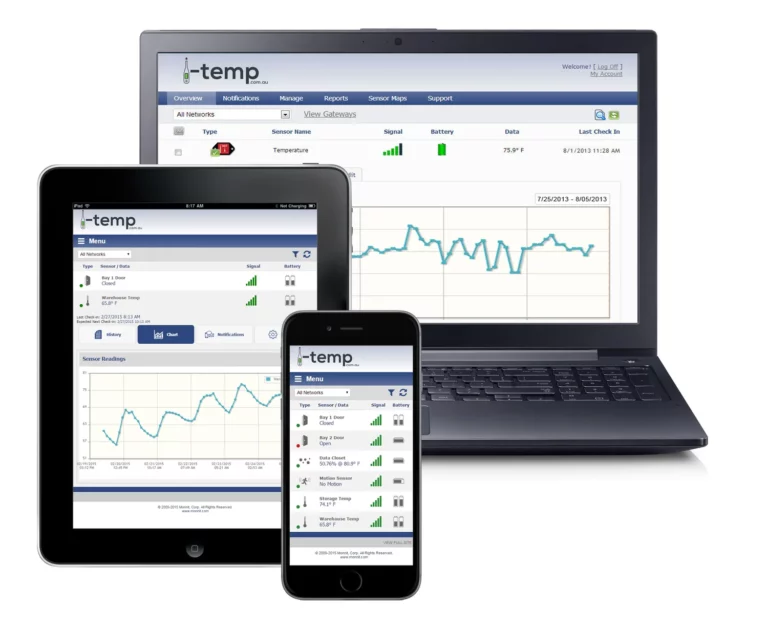
Digital audit tools are changing the way HACCP audits are done. Instead of using paper-based systems, these tools use automated platforms to make every part of the inspection process smoother. This software is designed specifically for this purpose and offers several benefits over traditional methods:
- Standardised checklists: Digital tools ensure that auditors use the same evaluation criteria for every inspection, regardless of who is conducting it. This consistency is especially important for businesses with multiple facilities, as it can be challenging to maintain audit quality across different locations.
- Elimination of manual errors: By automating the documentation process, digital tools reduce the risk of human error that can occur when audits are conducted manually. This leads to more accurate and reliable audit results.
- Improved efficiency: With digital tools, auditors can complete their inspections more quickly and efficiently. The software provides prompts and reminders to ensure that all necessary checks are completed, saving time and effort in the process.
One of the biggest advantages of digital HACCP audit systems is real-time data analytics. These platforms capture audit findings immediately and generate reports on the spot, highlighting any non-conformances or potential risks. This allows management teams to:
- Monitor compliance status across all locations at once
- Identify recurring issues that need corrective action
- Track how effective improvements have been
- Receive automated alerts when critical limits are about to be breached
- Analyse historical data for trends and predict future risks
Another benefit of using digital tools for HACCP audits is the ability to maintain complete audit trails automatically. This means that all records related to an audit—such as checklists, reports, and supporting documents—are stored securely in cloud-based databases without any manual intervention. As a result:
- Regulatory inspections become much easier since auditors can access years’ worth of compliance documentation within seconds.
- Routine audits can be scheduled automatically by the software based on predefined intervals.
- Tasks related to audits (e.g., follow-up actions or training sessions) can be assigned to specific individuals or teams.
- Completion rates for audits can be tracked accurately so that any delays or bottlenecks can be addressed promptly.
By combining these features together—standardisation through digital checklists, elimination of errors through automation, improved efficiency through prompts/reminders/alerts—it becomes possible not only to conduct effective HACCP audits but also continuously improve them over time!

Conclusion
HACCP audits are essential for ensuring food safety compliance. They turn regulatory requirements into a systematic way to protect consumers and businesses. By analysing hazards, monitoring critical control points, and keeping detailed records, these audits create a strong defence against foodborne risks while also building customer trust and improving operations.
Food businesses looking to improve their compliance should start with an internal audit based on the seven HACCP principles. Work with accredited third-party auditors to confirm your systems are effective and consider using digital audit platforms to make compliance easier and more proactive. The real question is not whether HACCP audits are necessary for maintaining food safety standards, but rather if your business can afford to operate without them.
More about: Audit Readiness 101 Tools That Simplify Food Safety Compliance in Australia
FAQs
HACCP audits are structured evaluations of a food business’s Hazard Analysis and Critical Control Points plan. They ensure hazards—biological, chemical, physical, and allergen-related—are identified, controlled, and prevented, safeguarding public health and maintaining compliance with food safety standards.
They verify preventive measures, review documentation, identify gaps in protocols, and demonstrate regulatory alignment with agencies like the FDA, USDA, EU authorities, and FSANZ, creating a proactive culture of food safety.
Internal audits are conducted by the business itself to detect gaps before official inspections, while external audits are performed by independent third-party auditors to certify compliance with HACCP principles and regulatory requirements.
The seven principles are: 1) Hazard Analysis, 2) Determine Critical Control Points, 3) Establish Critical Limits, 4) Monitoring Procedures, 5) Corrective Actions, 6) Verification Procedures, and 7) Documentation and Record-Keeping.
They reduce liability, prevent costly recalls, streamline production processes, enhance employee accountability, and provide competitive advantage through certifications that open new market opportunities.
Audits ensure food safety at every stage of production, increasing confidence in certified products, ensuring transparent supply chains, and reducing the risk of foodborne illnesses.
Challenges include incomplete hazard analysis, misidentified critical control points (CCPs), poor monitoring and record-keeping, inconsistent corrective actions, and disorganized documentation.
Strategies include thorough cross-functional hazard analysis, CCP identification training, automated monitoring systems, standardized documentation templates, and regular internal audits to proactively identify gaps.
Digital audit platforms standardize checklists, automate documentation, provide real-time analytics, track compliance across locations, maintain secure audit trails, and issue alerts for critical deviations, streamlining the entire audit process.
Requirements vary by region and product type. High-risk sectors such as seafood, dairy, meat, and ready-to-eat foods often require HACCP compliance, while other businesses may face sector-specific or retailer-imposed mandates.