
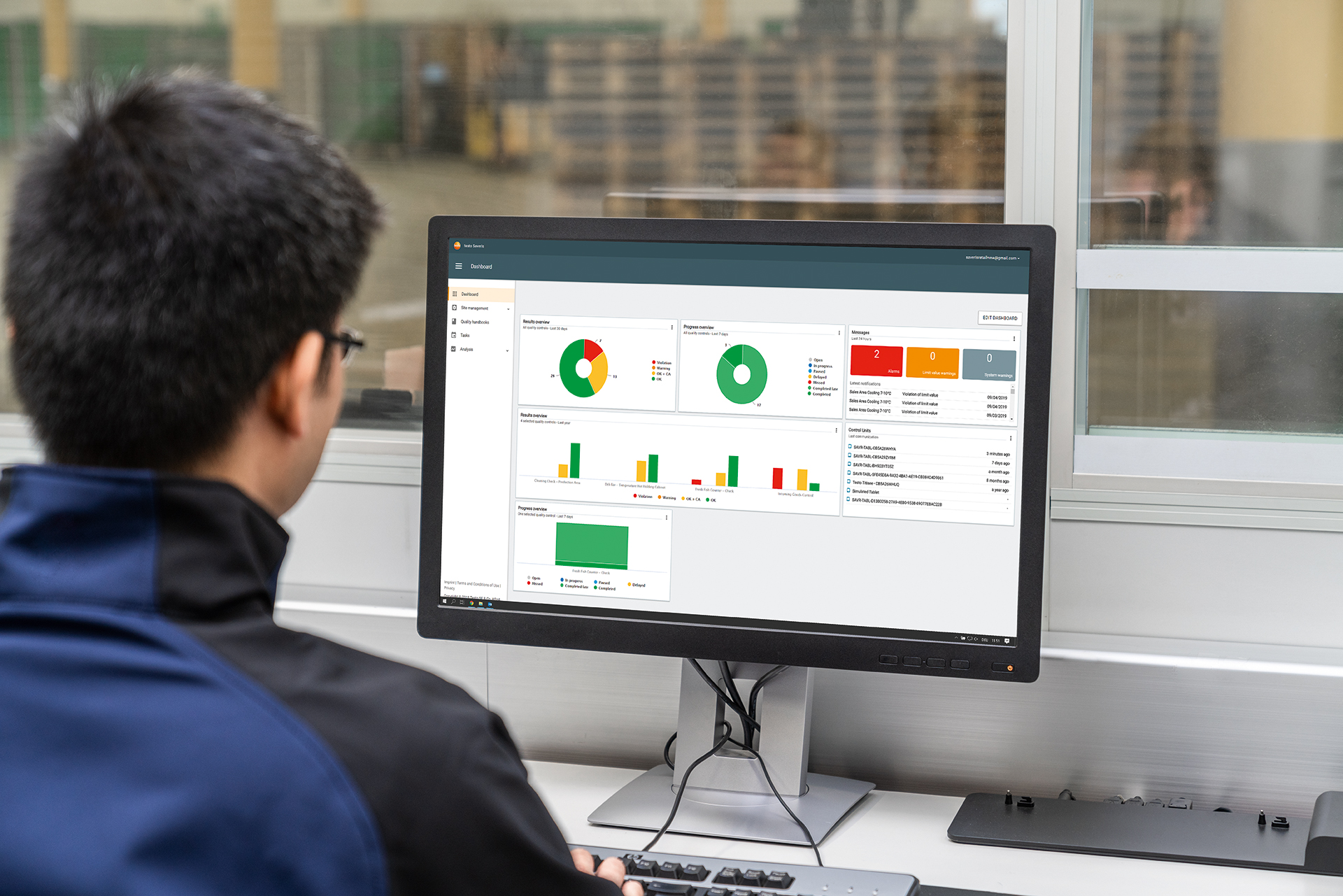
This article breaks down what the danger zone is, why incidents occur, and where automation cuts risk in real operations.
What is the “danger zone” in food safety?
The danger zone is the temperature range where bacteria can grow quickly in food. Most guidance places it roughly between 5°C and 60°C (41°F to 140°F), though exact thresholds can vary by jurisdiction and process.
When food sits in this range too long, pathogens can multiply to unsafe levels. Food safety inspection software helps teams track temperatures and limit time in the danger zone during cooking, cooling, holding, transport, and reheating.
Why do danger zone incidents keep happening in otherwise “good” kitchens?
They keep happening because manual processes fail under pressure. Even well trained teams miss checks when service spikes, staff changes, or equipment behaves unpredictably.
Common causes include inconsistent thermometer use, incomplete temperature logs, delayed cooling, hot holding units running cool, and deliveries that arrive warm. The pattern is not ignorance. It is operational friction, and friction creates risk.
Where do manual temperature logs break down most often?
Manual logs break down at the exact moments they matter most: peak periods, shift handovers, and busy prep windows. People forget entries, write them later from memory, or copy yesterday’s numbers to keep moving.
They also lack granularity. A twice daily check can miss a two hour drift into unsafe temperatures. When something goes wrong, paper records rarely show when it started, how long it lasted, or which batches were impacted.
How does automation prevent time temperature abuse in cold storage?
Automation prevents time temperature abuse by monitoring continuously instead of periodically. Connected sensors can track fridges, freezers, and cold rooms in real time and record readings automatically.
When temperatures drift, the system can alert staff immediately so they can act before food becomes unsafe. Continuous records also help teams prove compliance and spot patterns like a door left open every morning or a unit that struggles during deliveries.
How does automation reduce risk during cooking and hot holding?
Automation reduces risk by standardising checks and prompting action. Digital probe thermometers can capture cook temperatures with timestamps and tie them to a menu item or batch, reducing transcription errors.
For hot holding, sensors and smart controllers can flag when a unit falls below set points, especially during rush periods when lids stay open. Instead of discovering a problem at the next manual check, teams get an early warning while recovery is still possible.
How does automation make cooling safer and more consistent?
Cooling is one of the easiest places to lose control because it depends on time and technique. Automation helps by tracking cooling curves, not just start and end temperatures.
Systems can require staff to record key checkpoints, such as reaching a safe intermediate temperature within a set time. If a batch is cooling too slowly, the workflow can prompt corrective steps like reducing pan depth, using blast chilling, or portioning into smaller containers.
How do alerts and workflows actually change staff behaviour?
They change behaviour by removing guesswork and creating timely nudges. Instead of relying on memory, staff receive clear prompts: check this unit now, reheat this batch, move this tray, investigate this alarm.
Workflows also create consistency across shifts. A new team member does not need to know “how they do it here” because the system guides the steps. That structure reduces variation, and less variation means fewer safety gaps.
What role does automation play in traceability and incident response?
Automation speeds up incident response by linking data to decisions. When an issue occurs, teams can quickly see which unit drifted, when it happened, and what food was stored there at the time.
That makes it easier to isolate affected product, avoid broad waste, and document corrective actions. Better traceability also supports faster audits and clearer communication with regulators, customers, and internal leadership when a risk needs to be contained.
Which automation tools reduce danger zone risk the most?
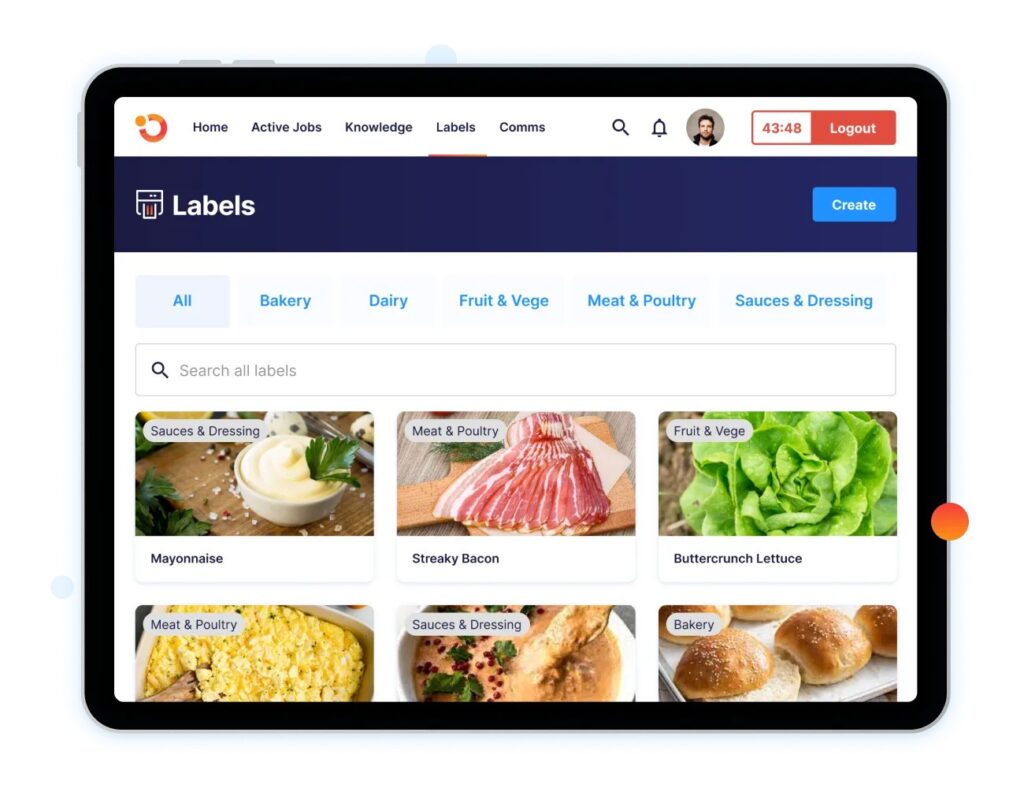
The most effective tools are the ones that directly reduce time in unsafe temperatures and improve records. Many operations start with a few high impact systems and expand.
Typical examples include:
- Continuous temperature monitoring sensors for fridges, freezers, and hot holding
- Digital HACCP checklists with required fields and photo proof
- Bluetooth or connected probe thermometers for cook and reheat checks
- Automated alerting via SMS, app, or email for out of range conditions
- Equipment analytics that show recurring faults or performance decline
What should they watch out for when implementing automation?
Automation can create false confidence if it is poorly configured. Teams should ensure alarm thresholds match their food safety plan, sensors are placed correctly, and staff know what actions to take when alerts arrive.
They should also watch for alert fatigue. Too many notifications, or alarms that trigger for harmless fluctuations, train people to ignore them. The goal is fewer, higher quality alerts with clear ownership and response steps.
How can they measure whether automation is actually reducing incidents?
They can measure it through fewer out of range events, faster response times, improved cooling compliance, and cleaner audit outcomes. Most systems can report how often units exceed thresholds and how long they stay there.
They can also track operational indicators like reduced product loss, fewer emergency maintenance calls, and fewer corrective action reports. When automation works, it does not just produce more data. It produces fewer problems.
Other resources : HACCP Food Safety: Turning Guidelines Into Daily Operational Practice
What is the practical takeaway for teams trying to avoid danger zone incidents?
Danger zone incidents are often process failures, not knowledge failures. Automation reduces risk by making monitoring continuous, actions timely, and records reliable.
When they choose tools that fit their workflows and set them up thoughtfully, they can prevent small temperature slips from becoming costly safety incidents.

FAQs (Frequently Asked Questions)
What is the ‘danger zone’ in food safety and why is it important?
The ‘danger zone’ refers to the temperature range between 5°C and 60°C (41°F to 140°F) where bacteria can rapidly grow in food. Limiting the time food spends in this range during cooking, cooling, holding, transport, and reheating is critical to prevent pathogen multiplication and ensure food safety.
Why do danger zone incidents occur even in well-managed kitchens?
Danger zone incidents often result from operational friction rather than lack of care. Manual processes can fail during busy periods due to skipped checks, inconsistent thermometer use, delayed cooling, or equipment issues. These timing slips and temperature drifts increase risk despite trained teams.
How does automation help prevent time-temperature abuse in cold storage?
Automation uses connected sensors for continuous real-time monitoring of fridges, freezers, and cold rooms. It automatically records temperatures and alerts staff immediately when deviations occur, enabling prompt corrective action before food safety is compromised and supporting compliance through detailed records.
In what ways does automation improve cooking and hot holding safety?
Automation standardizes temperature checks by using digital probe thermometers that capture cook temperatures with timestamps linked to specific batches or menu items. For hot holding, smart sensors monitor units continuously, alerting staff if temperatures fall below safe levels, especially during busy times, allowing early intervention.
How can automation make the cooling process safer and more consistent?
Automation tracks entire cooling curves rather than just start and end points. Systems require staff to record key checkpoints like reaching safe intermediate temperatures within set times. If cooling is too slow, workflows prompt corrective actions such as portioning or blast chilling to ensure safe cooling rates.
What are key considerations when implementing automation for food safety?
Successful automation requires proper configuration of alarm thresholds aligned with the food safety plan, correct sensor placement, and clear staff training on responding to alerts. Avoiding alert fatigue by minimizing false alarms ensures that notifications are meaningful and prompt timely corrective actions.