

What Is Audit Readiness and Why Is It Important for Food Businesses in Australia?
Audit readiness means maintaining continuous compliance with food safety standards so your business can confidently face inspections at any time. In Australia, this involves having all documentation, training records, and operational procedures aligned with the Food Standards Code before an authorized officer arrives.
Implementing food safety compliance software makes this process significantly easier. The software helps businesses centralize documentation, monitor daily safety tasks, and generate audit reports automatically, ensuring you’re always prepared for inspections without last-minute stress.
Being audit-ready protects your business from serious consequences. Non-compliance can result in:
- Fines ranging from hundreds to thousands of dollars
- Temporary closure orders affecting revenue and reputation
- Legal prosecution in severe cases
- Loss of customer trust and business relationships
The foundation of food safety compliance in Australia rests on national food safety standards, particularly Standards 3.2.2, 3.2.2A, and 3.2.3 of the Food Standards Code. These regulations establish mandatory requirements for food businesses to operate safely and consistently meet hygiene and traceability expectations.d handling practices, staff training, premises design, and equipment standards. Local government officers enforce these standards through regular assessments, making preparedness essential rather than optional for sustainable operations.

What Are the Key Food Safety Management Tools Required for Audit Readiness?
Food businesses handling unpackaged potentially hazardous ready-to-eat foods must implement food safety management tools as mandated by Standards 3.2.2 and 3.2.2A. These include documented food safety programs incorporating hazard analysis critical control point (HACCP) principles, which systematically identify and control biological, chemical, and physical hazards throughout food preparation and service.
1. The Role of the Certified Food Safety Supervisor
The certified food safety supervisor serves as the cornerstone of compliance, holding legal responsibility for advising and supervising food handlers on safe practices. This individual must complete approved training and maintain current certification, acting as the primary point of contact during audits to demonstrate the business’s commitment to food safety protocols.
2. Importance of Record Keeping
Record keeping forms the documentary backbone of audit readiness. Category one businesses—those processing ready-to-eat foods like restaurants, caterers, and delicatessens—must maintain detailed records of critical control points for at least three months. These records include:
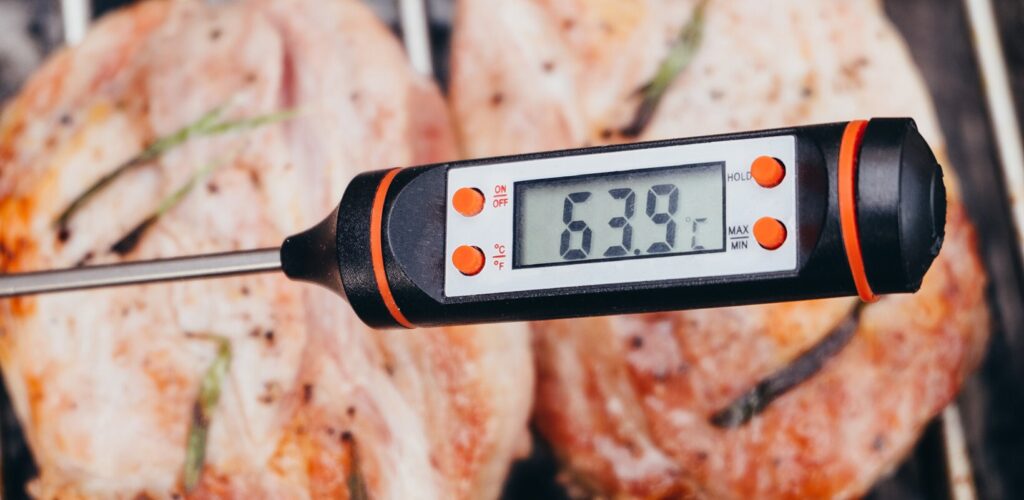
- Temperature monitoring logs for cooking, cooling, and storage
- Cleaning and sanitisation schedules with completion verification
- Supplier documentation and traceability records
- Staff training certificates and competency assessments
3. Understanding Business Categories
Category two businesses, such as those handling only pre-packaged foods or low-risk items, face less stringent requirements. They still need a food safety supervisor but typically don’t require comprehensive HACCP-based programs. Understanding your business category determines which compliance obligations apply and shapes your audit preparation strategy.
How Does Food Safety Training Contribute to Simplifying Compliance?
Food safety training in Australia is a requirement that mandates all food handlers either complete formal training or demonstrate equivalent skills and knowledge to maintain regulatory compliance. This ensures every team member understands contamination prevention, proper cleaning protocols, and personal hygiene standards essential for safe food preparation. Without documented training or proven competency, businesses risk enforcement action during inspections.
Food handler training programs have evolved to accommodate Australia’s multicultural workforce through multilingual training platforms. Online courses now deliver content in languages including Mandarin, Vietnamese, Arabic, and Spanish, removing language barriers that previously complicated compliance. These accessible digital programs allow staff to complete certification at their own pace whilst maintaining consistent quality standards across different cultural backgrounds.
Local government compliance officers actively assess training records during routine inspections, verifying that staff possess current certifications from approved food safety training providers or can demonstrate practical competency. When gaps appear in knowledge or documentation, these officers hold authority to mandate additional training before allowing continued food handling activities. This enforcement mechanism creates accountability whilst supporting businesses through guidance on approved training providers.
The combination of mandatory training requirements, accessible delivery methods, and active monitoring creates a framework where compliance becomes straightforward rather than burdensome. Businesses that invest in comprehensive staff education find audit preparation significantly easier, as trained employees naturally maintain practices that align with regulatory expectations. Moreover, the evolution of food safety training towards more flexible and accessible formats has further simplified the compliance process.
What Are the Food Premises and Equipment Standards Businesses Must Meet?
Standard 3.2.3 establishes comprehensive requirements for premises design food safety across all Australian food businesses, covering everything from building layout to transport vehicles. These equipment standards Australia apply universally, regardless of business size or category.
Layout and Zoning Requirements
Premises design must actively prevent contamination through strategic spatial planning. Raw product handling areas require physical separation from dispatch zones, whilst high-risk food preparation spaces need distinct boundaries from low-risk activities. Flow design principles dictate that food should move in a single direction—from receiving through storage, preparation, cooking, and finally to service—without paths crossing to avoid cross-contamination risks.
Material Specifications
Construction materials and equipment surfaces must meet three critical criteria:
- Durability to withstand repeated cleaning cycles
- Non-porous surfaces that resist bacterial harbourage
- Chemical resistance to sanitising agents without degrading or leaching substances into food
Stainless steel, food-grade plastics, and sealed surfaces typically satisfy these requirements for contamination prevention.
Space and Facility Adequacy
Adequate space extends beyond production areas to include:
- Sufficient room for staff movement without compromising hygiene
- Dedicated handwashing stations positioned at critical points
- Proper ventilation systems that remove steam, odours, and airborne contaminants
- Separate storage zones for cleaning chemicals, waste, and food items
- Potable water supply meeting all operational needs from cooking to sanitisation
These spatial considerations directly support audit readiness by demonstrating systematic contamination control.
How Is Compliance Monitored to Ensure Ongoing Food Safety?
Who conducts compliance monitoring in Australia, and what do they assess?
Local government authorized officers carry out regular compliance monitoring assessments to verify food businesses maintain required standards. These officers review documented records, observe food handling practices, inspect premises conditions, and evaluate whether businesses follow their food safety programs consistently.
What methods do officers use during local government assessments?
Inspections typically involve examining temperature logs, cleaning schedules, supplier verification records, and staff training certificates. Officers observe actual food preparation processes, check equipment maintenance, assess personal hygiene practices, and verify that critical control points are monitored as documented. Businesses must demonstrate their systems work in practice, not just on paper.
How can Safe Food Australia guidance support compliance efforts?
The Safe Food Australia guidance documents provide comprehensive, practical resources that explain regulatory requirements in accessible language. These materials offer:
- Step-by-step implementation guides for food safety programs
- Templates for record-keeping systems
- Industry-specific examples and case studies
- Clarification on interpreting standards beyond minimum legal obligations
Why are these guidance documents valuable for audit preparation?
Safe Food Australia guidance helps businesses understand the intent behind regulations, enabling them to develop robust systems rather than simply ticking boxes. The documents bridge the gap between technical standards and real-world application, making compliance monitoring processes more predictable and manageable for food operators.
Special Considerations for Vulnerable Populations
When it comes to food service for vulnerable persons, additional guidelines are necessary. Vulnerable populations may include the elderly, infants, or those with compromised immune systems who require special dietary considerations and heightened food safety measures.
How Do These Tools Collectively Support Audit Readiness in Food Businesses?
Audit readiness tools Australia function most effectively when implemented as an interconnected system rather than isolated requirements. The combination of food safety management plans, certified supervisors, trained handlers, compliant premises, and regular monitoring creates a comprehensive framework that transforms compliance from a reactive scramble into a proactive operational standard.
The true strength of this integrated approach lies in how each component reinforces the others. A certified food safety supervisor oversees trained handlers who work within properly designed premises, whilst documented records capture every critical control point. This systematic integration means businesses maintain continuous training culture where food safety becomes embedded in daily operations rather than an afterthought before inspections.
Documented evidence compliance serves as the backbone of audit preparedness. Businesses must maintain tangible proof of their food safety practices through:
- Staff training certificates and competency assessments
- Temperature monitoring logs for refrigeration and cooking
- Cleaning and sanitizing schedules with completion verification
- Equipment maintenance records and calibration certificates
- Supplier documentation and traceability records
- Corrective action reports when deviations occur
These records demonstrate not just compliance at a single point in time, but sustained adherence to food safety standards. Category one businesses handling ready-to-eat foods must retain critical control records for at least three months, providing auditors with a historical view of operational consistency. This documentation trail transforms audits from stressful events into straightforward verification processes where evidence speaks for itself.
Conclusion
The benefits of being audit-ready go beyond just passing regulatory inspections. Food businesses that take the initiative to implement thorough management systems, well-structured training programmes, and strict documentation practices are setting themselves up for long-term operational excellence. These tools make food safety compliance easier across Australia by turning regulatory requirements into manageable, organised processes.
Investing in the Audit Readiness 101 Tools That Simplify Food Safety Compliance in Australia is an investment in your business’s reputation and future. Instead of seeing compliance as a burden, successful operators understand these frameworks as protective measures that ensure the safety of consumers, staff, and brand integrity.
Start building your audit-ready foundation today:
- Appoint and train your food safety supervisor
- Implement comprehensive record-keeping systems
- Schedule regular internal compliance reviews
- Utilise Safe Food Australia guidance documents
The businesses that succeed are those that make food safety a core part of their operations, fostering cultures where compliance becomes second nature rather than an afterthought. Your dedication to these standards today guarantees smoother audits tomorrow and lasting consumer trust for years to come.
Learn about: How HACCP Audits Help Maintain Food Safety Standards Compliance
FAQs
Audit readiness means maintaining continuous compliance with food safety standards, ensuring all documentation, training, and operational procedures are up-to-date to confidently face inspections at any time.
Food safety compliance software centralizes documentation, monitors daily safety tasks, and generates audit reports automatically, making it easier for businesses to stay prepared for inspections without last-minute stress.
Being audit-ready protects businesses from fines, temporary closures, legal prosecution, and loss of customer trust by ensuring compliance with national food safety standards.
Key tools include a certified food safety supervisor, documented HACCP-based food safety programs, detailed record keeping of critical control points, and staff training programs to maintain compliance.
The certified food safety supervisor oversees staff, advises on safe practices, maintains certification, and acts as the primary contact during audits to demonstrate regulatory compliance.
Food safety training ensures all handlers understand contamination prevention, proper hygiene, and cleaning protocols. Accessible multilingual training programs allow employees to maintain consistent standards across diverse workforces.
Businesses must comply with Standard 3.2.3, including proper layout, zoning, durable non-porous materials, sufficient space, handwashing stations, ventilation, and potable water supply to prevent contamination.
Local government authorized officers conduct regular inspections, reviewing records, observing food handling, and assessing premises to ensure food safety programs are consistently followed.
When implemented as an interconnected system—management plans, trained staff, compliant premises, and continuous monitoring—they transform compliance into a proactive, daily operational standard rather than a last-minute effort.
Audit readiness improves operational efficiency, reduces risk of recalls, ensures regulatory compliance, strengthens consumer trust, and fosters a culture of food safety embedded in everyday operations.